
"Santos No.2"
300 article(s) found

Brazilian Coffee Manor and Taste planting Environment Variety treatment Regional Grinding scale
Brazilian Coffee Manor and Taste growing Environment Variety treatment area Grinding scale Brazilian Coffee is a low-acidity, moderately roasted coffee bean from the World Coffee Center. As a kind of high-quality coffee, Brazilian coffee can be drunk individually or mixed. ● quality beans: Sangdo-style NO.2, size NO.18 ● flavor characteristics: mild, bitter medium, soft flavor. ● is the best

Raw beans Archives Raw beans Wholesale Brazilian coffee producing areas Brazilian pectin sun coffee beans
Professional barista exchanges, please pay attention to coffee workshop (Weixin Official Accounts cafe_style) When it comes to the origin of coffee in Brazil, the first thing people think of is Brazil in South America, because it is the largest coffee producer in the world. There are many types of Brazilian coffee, most of which are unwashed and dried. They are classified according to the state of origin and port of shipment. Brazil has 2.

Introduction to Fine Coffee Producing Area: Coffee Bean Producing Area of Central and South America
Coffee beans are the main raw materials for making coffee, and the production areas of coffee beans are also relatively large. Some continents have written fewer. The following small series will introduce the five major coffee bean production areas in Central and South America. 1. Mexican coffee production is concentrated in the southern part of Guatemala, with mountains running through it on both east and west sides, making it ideal for coffee

Introduction of boutique coffee producing areas: coffee beans from Central and South America, Mexico, Jamaica, Brazil, Goran.
Coffee beans are the essential raw materials for making coffee, and there are more coffee bean producing areas, while some continents write less. The following editor will introduce to you the five major coffee bean producing areas in Central and South America. 1. Mexican coffee production is concentrated in the south near Guatemala, with mountains running through the east and west, making its mountains sloping, making it ideal for coffee.

The taste of Brazilian coffee has a low sour taste, matching the sweet and bitter taste of coffee with beans.
Brazilian coffee is a low-acidity, moderately roasted coffee bean from the World Coffee Center. As a kind of high-quality coffee, Brazilian coffee can be drunk individually or mixed. ● quality beans: Sangdo-style NO.2, size NO.18 ● flavor characteristics: mild, bitter medium, soft flavor. The best fried degree of ●: medium fried Brazilian coffee has a low sour taste.

Coffee grading knowledge how to classify coffee grades
If the owners of two cafes are discussing, shopkeeper A says, "the coffee beans we use in our shop are NO.2 in Santos, Brazil. What about your store?" shopkeeper B said: our store uses Brazilian NO.1 of the same grade as Blue Mountain NO.1. The evaluation method adopted in Brazil is the deduction method, which is classified according to the number of defective beans per 300g of staple beans, with a total of seven grades from NO.2 to No.8, with a deduction of less than 4 points.

Coffee beans Basic knowledge Coffee classification
If there are two cafe owners in the discussion, A shop owner said: we use coffee beans in Brazil Santos NO.2, your shop? B shopkeeper said: We shop with the Blue Mountain NO.1 with the same level of Brazil NO.1. Brazil uses a point-deduction method to evaluate the quality of the beans. The beans are graded according to the number of defective beans in every 300 grams of main beans. The grades are divided into seven levels from NO.2 to NO.8. If the points are less than 4,

Premium Coffee Recommended Premium Brazilian Coffee Beans
◆ Origin: Brazil ◆ Baking method: City Roast ◆ Characteristics: 1. Taste: slightly bitter and slightly sour, mild in nature. 2. Fragrance: elegant type, fragrance in the middle. 3. Vision: large, pale green or yellowish beans. One of the world's largest coffee producers and exporters, it can be called the "coffee continent", accounting for about half of all world production. Especially from the mountains of Sao Paulo

[practical information] how are coffee beans screened and graded?
Communication of professional baristas Please pay attention to the grading of coffee in the coffee workshop (Wechat official account cafe_style). If the owners of two cafes are discussing, owner A says: the coffee beans we use in our shop are NO.2 in Santos, Brazil. Where is your shop? B the shopkeeper said: our store uses Brazilian NO.1 of the same level as Blue Mountain NO.1. The evaluation method adopted in Brazil is the deduction method, according to every 300 grams.

Brazilian Sanders Coffee and American Coffee, Brazilian Arabica Coffee and Robusta Coffee
Communication of professional baristas Please follow the coffee workshop (Wechat official account cafe_style) Brazil Coffee mentions the origin of coffee, the first thing that comes to mind is Brazil in South America, because it is the largest coffee producer in the world. There is a wide variety of Brazilian coffee, the vast majority of which are unwashed and sun-dried, classified according to the name of the state of origin and the port of transport. Brazil has 2.
Coffee beans are also divided into "aristocratic and poor classes".
Coffee quality Evaluation Coffee producing countries have their own grading methods and quality evaluation standards in order to grade their harvested coffee, of course, there are also famous coffee mochas. Like Yemen in Matali, there are no countries with uniform export specifications and no coffee culture of the same style. If there are common evaluation criteria for coffee producers all over the world, it will be convenient for buyers.

Coffee bean production area Wiki Valley
Coffee producing area Editor Coffee beans Coffee beans the most sensible and practical way to understand the countries that produce coffee is to classify them into the three major coffee growing areas in the world: Africa, Indonesia and Central and South America. Generally speaking, coffee grown in the vicinity has similar characteristics. If a particular bean is out of stock, the manufacturer and buyer of the comprehensive product will usually look for the nearby one.

Introduction of varieties of Coffee Bean Manor in Brazil by description of Flavor in growing Environment and region
The coffee was first introduced to Brazil in the early 18th century. In 1727, the Brazilian government sent a personable army officer to secretly bring coffee seeds from French Gaiana to Brazil on the ground of mediating border disputes. It is said that the governor's wife of French Gaiana was so fascinated by the officer that he was

There is no No.1 in Brazil for coffee you don't know.
Now in the global coffee trade, it is still popular to use the classification standard of origin, there are generally two kinds of classification, according to the number of items, the other is according to the ratio of defective beans. For example, Brazil's Santos # 18no.2, which stands for 18-mesh coffee beans, no.2 is the highest level, because Brazilians believe that there are no perfect coffee beans, so the highest is no.1. He he. This little tooth

Introduction of the characteristics and flavor of Brazilian coffee
Brazilian coffee generally refers to coffee produced in Brazil. There are many kinds of Brazilian coffee, and like other Arabica coffee, Brazilian coffee is called Brazils to distinguish it from Milds coffee. The vast majority of Brazilian coffee is unwashed and sun-dried and is classified according to the name of the state of origin and port of transport. Brazil has 27 states and 17 states produce coffee, but four of them produce the most coffee.
Boutique coffee beans common sense Brazilian coffee does not have No.1
Now in the global coffee trade, it is still popular to use the classification standard of origin, there are generally two kinds of classification, according to the number of items, the other is according to the ratio of defective beans. For example, Brazil's Santos # 18no.2, which stands for 18-mesh coffee beans, no.2 is the highest level, because Brazilians believe that there are no perfect coffee beans, so the highest is no.1. He he. This little tooth
Global boutique coffee beans Brazil does not have No.1 coffee beans
Now in the global coffee trade, it is still popular to use the classification standard of origin, generally there are two methods, according to the number of items (that is, particle size), and the other is according to the ratio of defective beans. For example, Brazil's Santos # 18 No.2 represents 18-mesh coffee beans (the largest is 19-mesh), and No.2 is the highest level, because Brazilians think that there are no perfect coffee beans, so the most
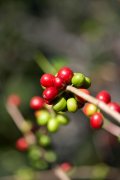
Brazilian coffee is famous for its aroma, refreshing taste, but not sour and bitter taste.
Brazil Santos No.2 (or Type 2): since there is no Type 1 level in Brazil, 2 is the highest level. Brazilian coffee is famous for its aroma, refreshing taste, less sour and bitter taste, and a sharp nutty aftertaste. Generally speaking, everything is stable, the advantages and disadvantages are not very prominent, personal feeling, smelling is better than drinking.
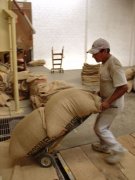
There is no No.1 in Brazil for coffee you don't know.
Now in the global coffee trade, it is still popular to use the classification standard of origin, generally there are two methods, according to the number of items (that is, particle size), and the other is according to the ratio of defective beans. For example, Brazil's Santos # 18 No.2 represents 18-mesh coffee beans (the largest is 19-mesh), and No.2 is the highest level, because Brazilians think that there are no perfect coffee beans, so the most

Coffee beans are also divided into "aristocratic and poor classes". Evaluation of the quality of coffee
Coffee quality Evaluation Coffee producing countries have their own grading methods and quality evaluation standards in order to grade their harvested coffee, of course, there are also famous coffee mochas. Like Yemen in Matali, there are no countries with uniform export specifications and no coffee culture of the same style. If there are common evaluation criteria for coffee producers all over the world, it will be convenient for buyers.